| Blessings | Family health and peace of mind |
|---|---|
| What you need | Nothing needed |
Take a Lucky Flight to Cebu to Pray for Family Health / 🇵🇭 Philippines
Welcome to Cebu City
CEBLocal time
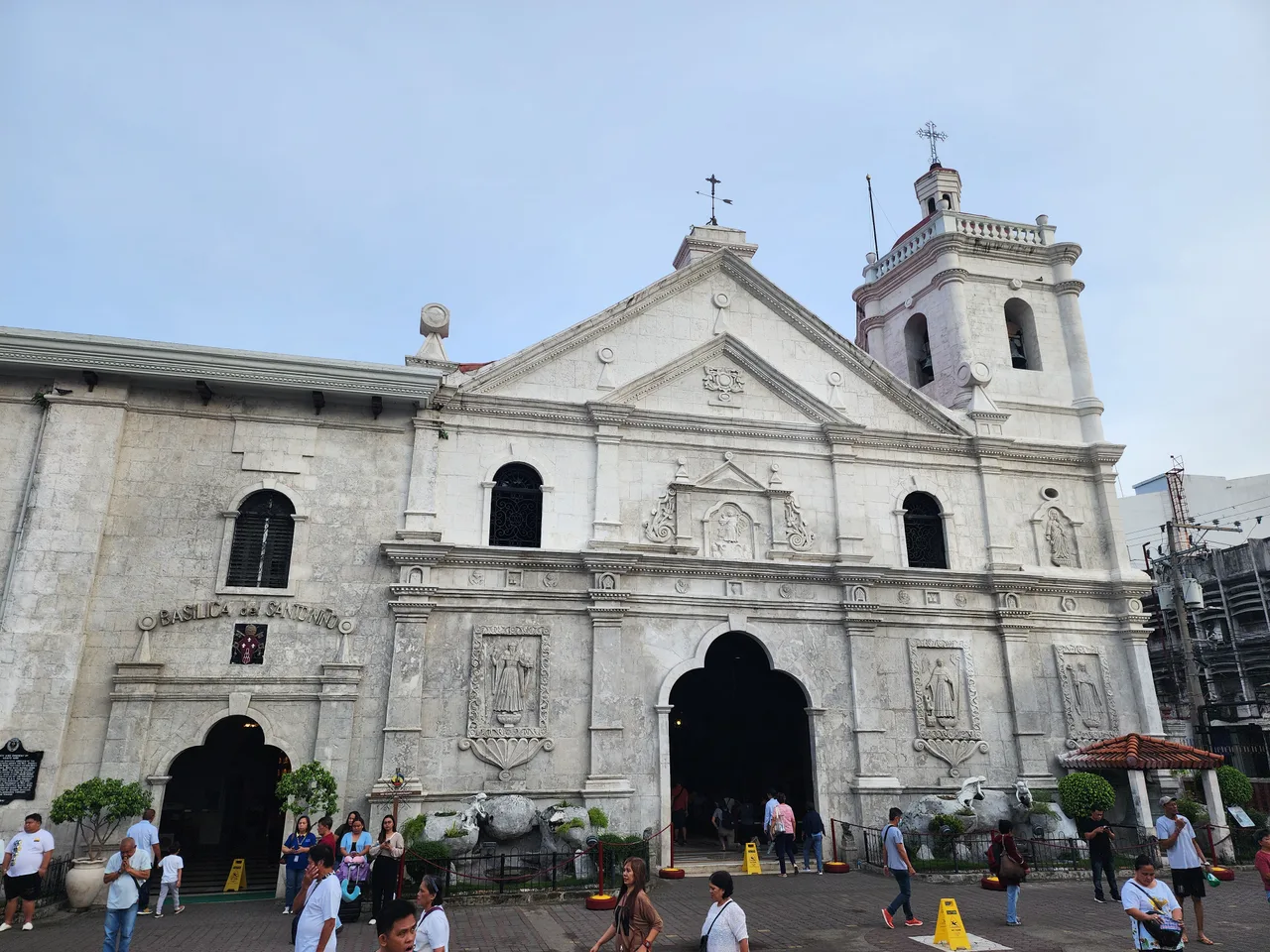
Take a Lucky Flight to Cebu’s Santo Niño basilica and face its doorway as you wish your family good health. The candle vendors here bring prayers to the Santo Niño through the rhythm of a dance.
Explore the surrounding streets and approach
Blessings
At the Basilica del Santo Niño in Cebu, a prayer can be carried by a movement as well as by words. The Tig-Sinug are candle vendors who face the church and dance as they give voice to someone else’s prayer. A person might ask for health or safety, or take the opportunity to say thank you. The wish has a listener and a place to go.
This short visit gives you a chance to bring one person to mind. Perhaps you have been thinking about a family member who lives far away, or you would like to pause and wish the people in your household a peaceful year. Look towards the entrance in the photo and let that person be the focus of the journey.
How to invite good fortune
Look at the stone façade and find the main doorway. Take a breath and bring one person or household to mind. During the flight you can turn your attention towards the church from wherever you are, taking the time to look before putting your wish into words.
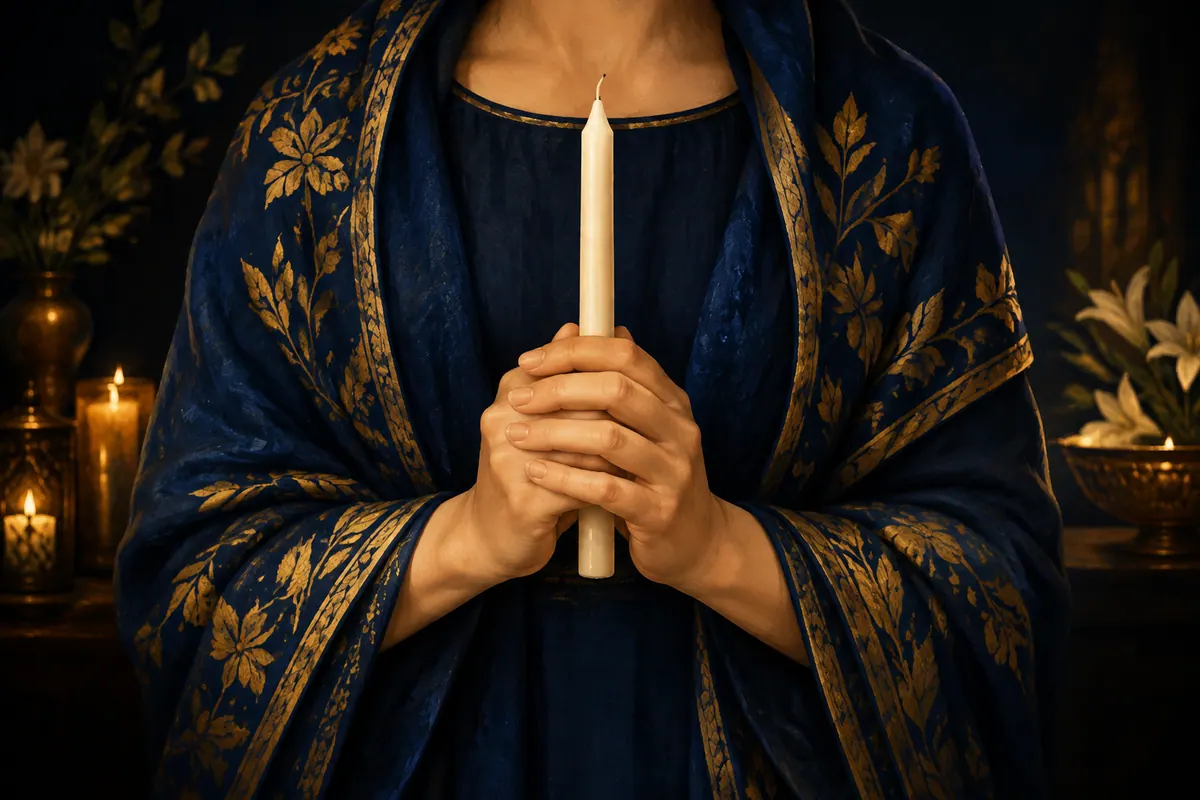
Picture a candle held upright as a Tig-Sinug faces the doorway. The feet move to and fro while the prayer is spoken. Follow the rhythm quietly with your gaze. Then say your own wish for the health or safety of the person you have chosen.
Stay with that thought in silence for a minute. When you are ready, mark your arrival in the passport on this device. The basilica’s own account of the Tig-Sinug is available beside the view if you want to learn more about the gesture.
Three minutes of prayer3:00
Saved on this device
Origins and history
The Santo Niño is the Holy Child Jesus, honoured at the basilica in Cebu. The prayer dance belongs to the life of the church and its surroundings. People take an intention to the vendors, who turn towards the doorway, lift a candle and convey that intention in words and movement.
The vendors are known as Tig-Sinug. The basilica describes how a dancer’s pace can reflect the feeling of the prayer. A request made in sorrow can be slower than one made in joy or gratitude. That detail gives a personal quality to a practice seen by many people in the same place. A visitor may see the candle and the motion first, but the intention behind them belongs to the person who came to ask for prayer.