
New Year good-luck traditions around the world
Welcome a new year or brighten the festive season with traditions from around the world. Compare wishes and timing, then choose one to try.
Eat Twelve New Year Grapes to Welcome Good Luck / 🇪🇸 Spain
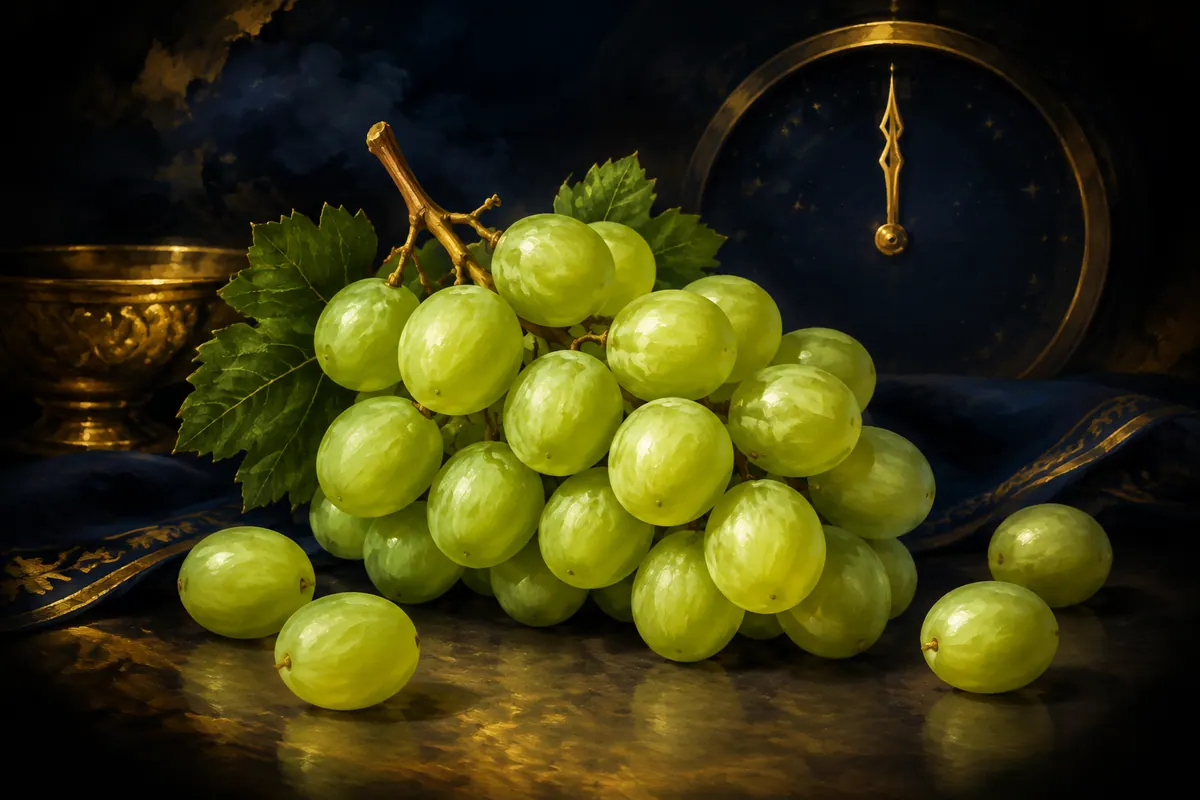
Eat twelve grapes with the twelve midnight chimes on New Year’s Eve to welcome good luck. Each grape carries a wish for one prosperous month of the year ahead.
- Wish
- Good fortune and prosperity for the new year
Eat New Year’s Eve Soba for Health and Long-Life Luck / 🇯🇵 Japan
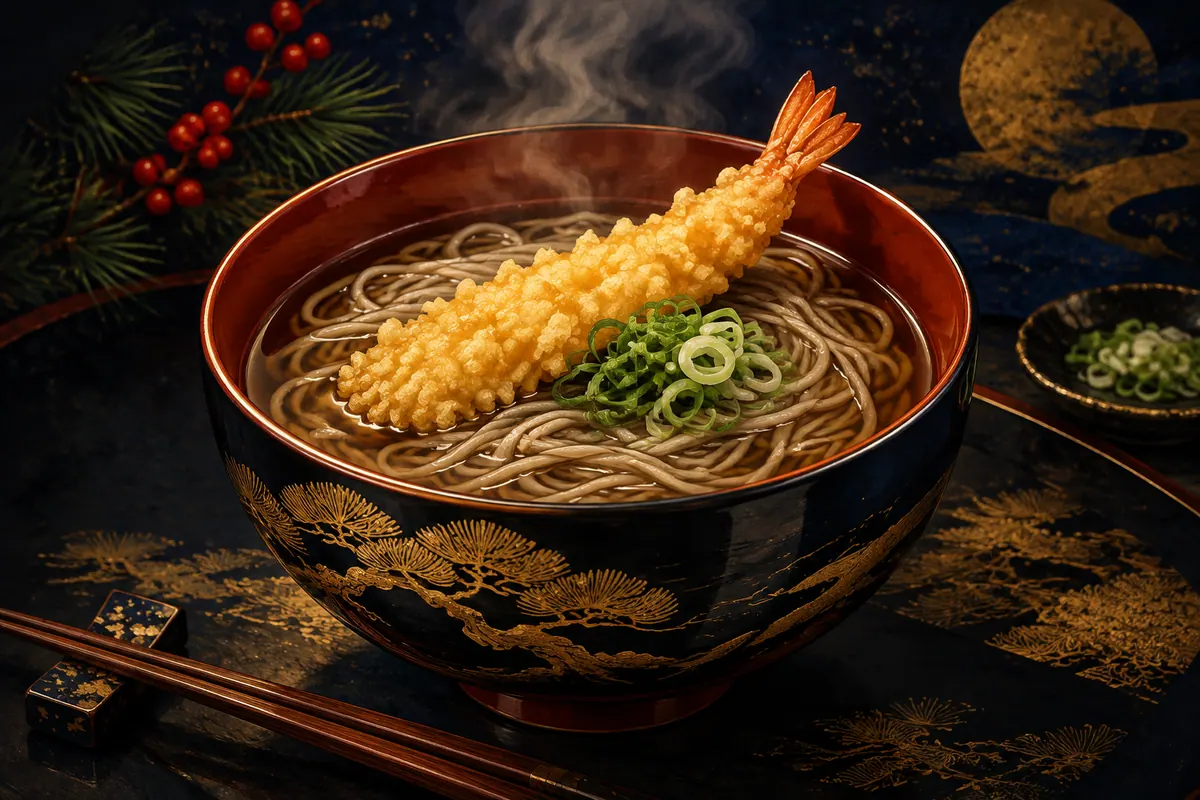
Eat a bowl of long soba noodles on December 31 and welcome health and a long, happy life. Japan’s New Year’s Eve tradition puts a hopeful meaning into a wonderfully comforting meal.
- Wish
- Good health, long life and New Year fortune
Eat Hoppin’ John for New Year Prosperity / 🇺🇸 USA
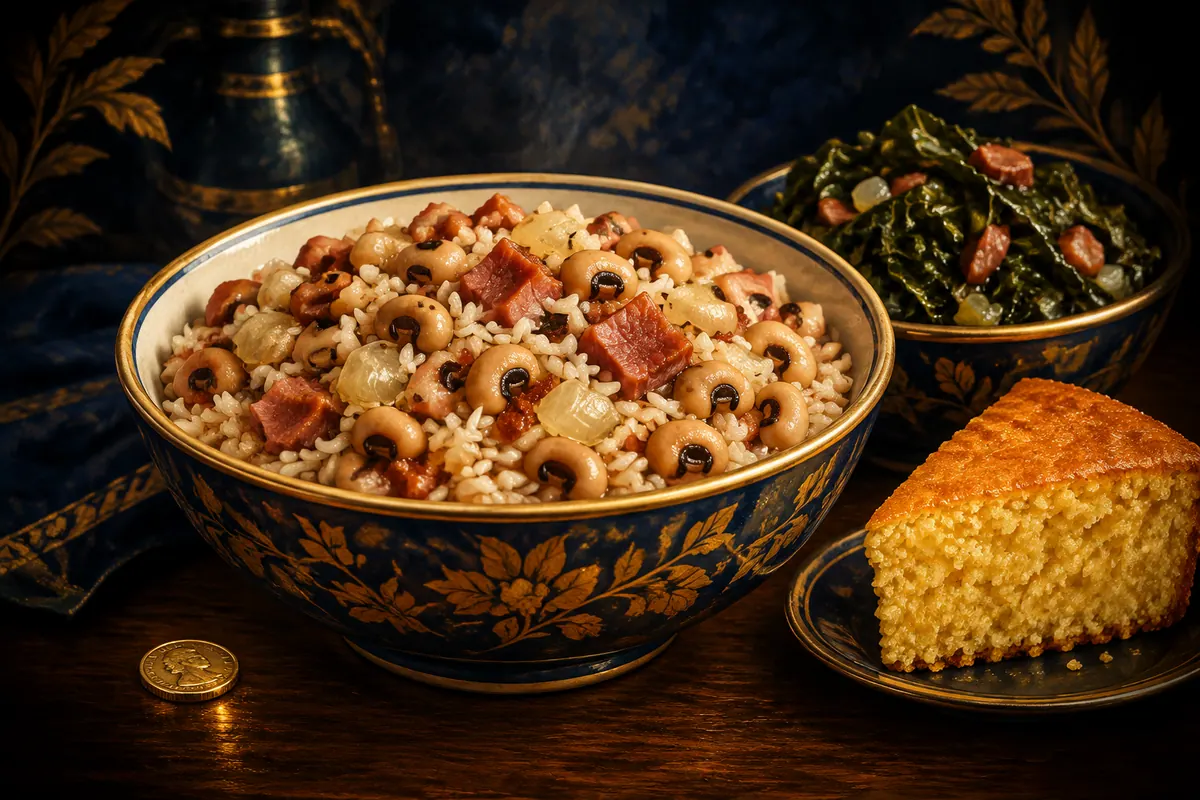
Eat Hoppin’ John on New Year’s Day to welcome prosperity. Black-eyed peas stand for coins, greens for dollar bills: the American South puts its wish for a plentiful year straight onto the plate.
- Wish
- Prosperity and a plentiful year
Display a Takarabune to Welcome Prosperity / 🇯🇵 Japan

Display a takarabune with its bow pointing into your home and welcome prosperity. Laden with treasures and often the Seven Lucky Deities, Japan’s treasure ship brings the wish for abundance into a home, shop or working space.
- Wish
- Prosperity, abundance and a flourishing business
Fill a Daruma’s Eye for Exam Luck and Success / 🇯🇵 Japan
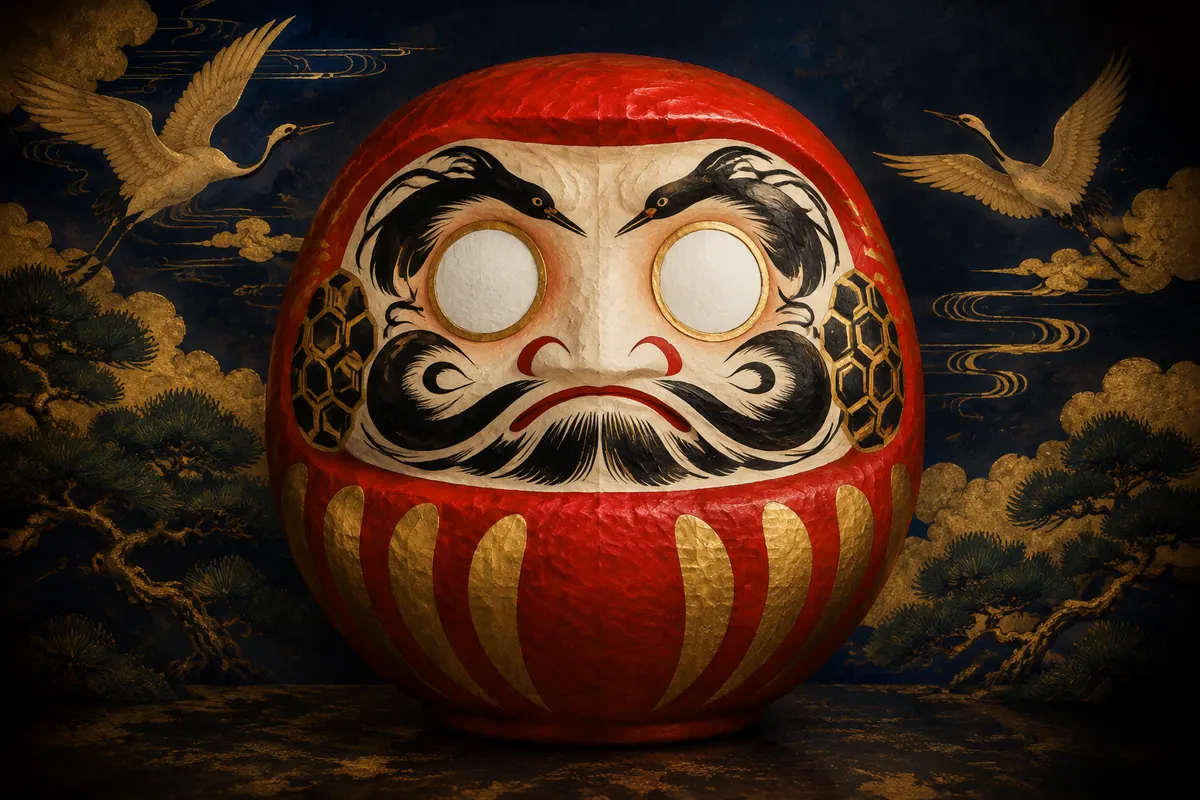
Choose a goal and fill one eye of a daruma to welcome exam luck and success. The Japanese doll that keeps rising upright carries your wish to see things through.
- Wish
- Exam luck, perseverance and success